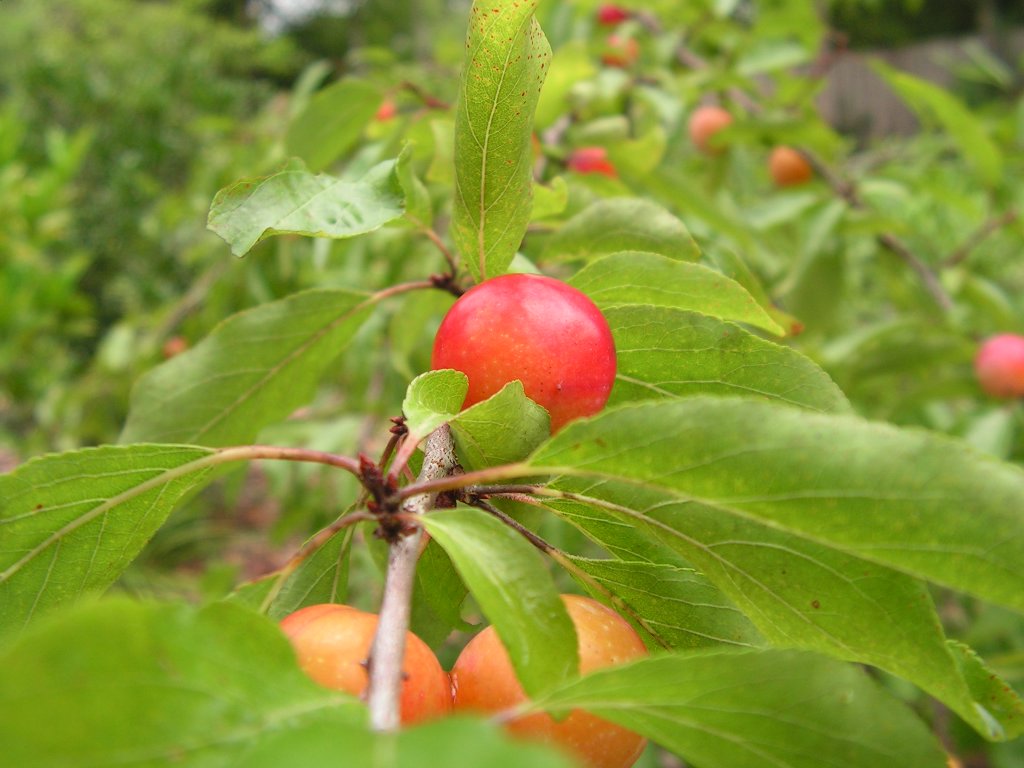
Another weekend day spent at Leu Gardens. My apiphilia at work.

Every year gardeners go to their local garden centers and walk out with armloads of plants. After planting, mulching, trimming, watering, fertilizing, and generally babying the purchases they disappear. By July the only thing left of some of those plants is the plastic tag. Where do they go? Most likely they melted in the Texas heat. In many cases dead plants only came as the result of picking the wrong plant, Not having a "brown thumb".
A common procedure for transplanting container-grown plants involves amending the backfill around the root ball with an organic material such as peat. However, a significant amount of research over a range of irrigation schedules, plant materials, and soil types provides no evidence that this practice is beneficial. In fact, incidences where roots remain in the amended backfill soil and do not grow into the undisturbed field soil have been reported. The argument for amending backfill soils centers around the fact that peat increases the waterholding capacity of a sand soil. What actually happens is the water in the adjacent landscape soil is held at greater tensions than the water in the amended backfill. The result is a drying container root ball as water moves from the container medium and the amended soil into the adjacent landscape soil as it dries.Plants transplanted in very rich holes do not, as expected, thrive; instead they are actually harmed by the over-abundance of organic material. This is clearly an example of too much of a good thing, and a waste of money, at that.
Little is known or mentioned in the literature about mulches and termites. Warnings about not leaving pieces of wood or stakes as termite attractants after house construction are common though. One publication noted that when construction is complete on a new house, every "piece of wood that can be picked up between the tines of a common garden rake should be removed"(Moore 1979). Another publication notes that moist warm soil containing an abundant supply of cellulose material is a termites optimal environment (Johnston et al. 1972). They define "cellulose material" as scraps of lumber, stakes, stumps, and roots left in the soil. One of the prerequisites for subterranean termites and wood-decaying fungi is for the wood to be in reasonably close proximity to the soil surface (Moore 1979) as mulch is. Yet, most houses in Florida with many trees and other landscape plants may already have plenty of food available for termites, and mulch may just be one more additional food source.
Further research on mulches and termites is warranted to determine if we should be concerned about using mulch around houses. Also, research is needed on possible repellent mulches such as melaleuca which might serve as an additional barrier for household protection against termites. At this time the benefits of mulches such as water conservation, reduced used of herbicides, and reduced soil erosion are very apparent while the risks to termite infestations due to mulches are unknown. Homeowners will continue to use mulches in landscaping around their houses and buildings. Our current recommendation is to be vigilant and up-to-date with termite inspection and treatment.
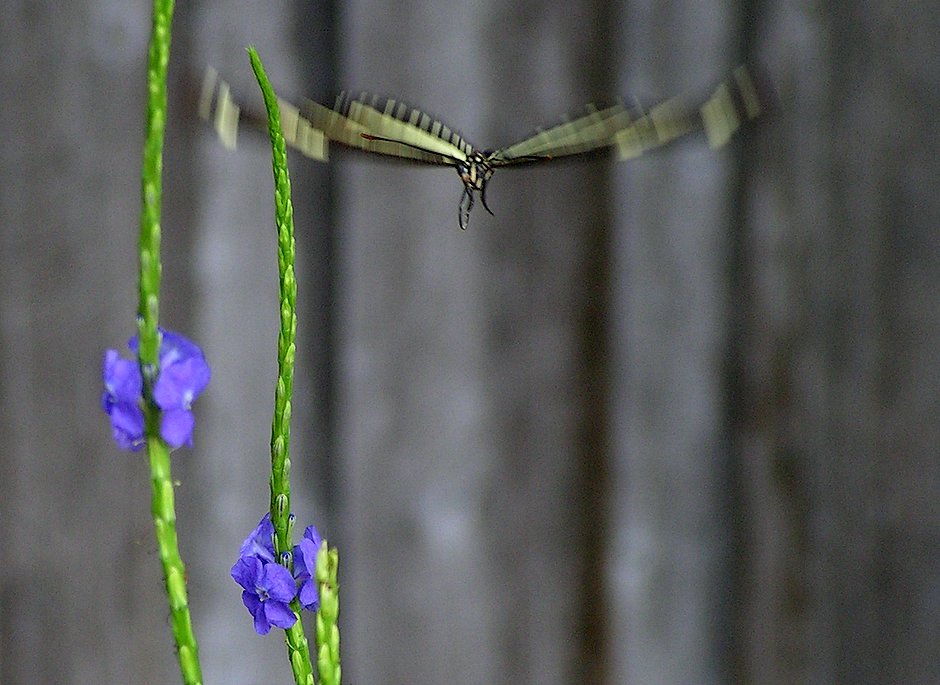 Drinking coffee, looking out the kitchen door, I saw this Zebra Longwing flopping about my garden this morning. I followed it for a bit as it flitted around my Blue Porterweed. For what I was trying to do—capture something in motion in filtered light—my aperture was too wide and my f-stop too slow, but it turned out a pretty cool effect. They're such slow-moving, easy-going butterflies (unlike most Swallowtails), it's easy to get a closeup shot, as I did below.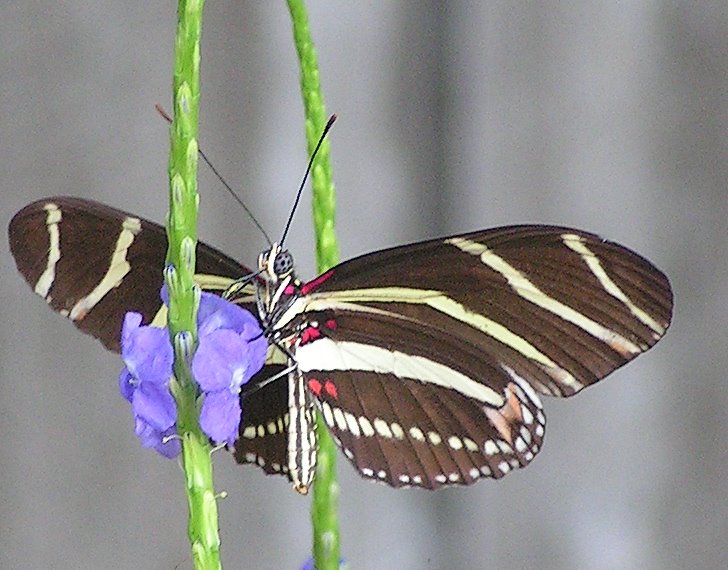
 It's been an odd summer... Very dry, if you check the monthly averages. However,you wouldn't know it to see it: Longish periods of drought, then heavy rainfall right in the nick of time, greening everything up for a time, only to return to more dry weather. Instead of daily or near-daily rains, we've been getting one rain shower a week. South of us, say Sanford and down, has seen plenty of rain after a dry spring. North of here is just plain parched, with drought conditions in north-Volusia county.
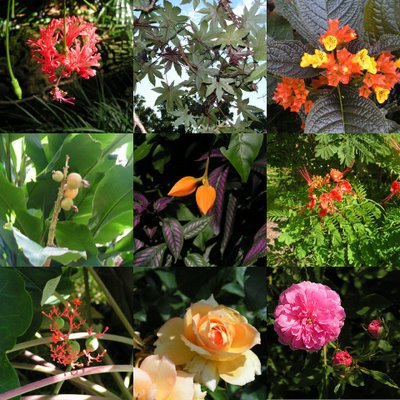 and globulus citrus have all faded into a background, a canvas of green; in their place, front and center, a tropical vision of fringes and cups painted from a combustive palette of oranges, reds and yellows. The trip today reminded me—a timely reminder, amidst the doldrums of subtropical "fall"—that Central Florida is a special place for gardening: At 30° latitude, with a bit of stubborness and know-how, we can grow practically anything: Camelias, Azalaes, Orchids, citrus, Hibiscus, Rosa, bananas, figs, Delphiniums, Papaver, Daisies, Dahlias, Crotons... Where else are hard-pressed to decide when a garden looks best, December or August?
 un is at a lower angle (closer to the horizon), as it is the farther north one goes, a given point on the earth's surface receives a lower density of incident light. This difference in density of incident light is, fundamentally, similar to the difference in intensity between, say, early morning light an noontime sun. The higher the sun in the sky, the more intense the solar radiation, and the more solar energy made available to photosynthesis for conversion into sugar. Furthermore, the lower the Sun's angle relative to the earth, the more of the earth's atmosphere that the sun has to pass through.
 (Spicy Jatropha, Jatropha integerrima).
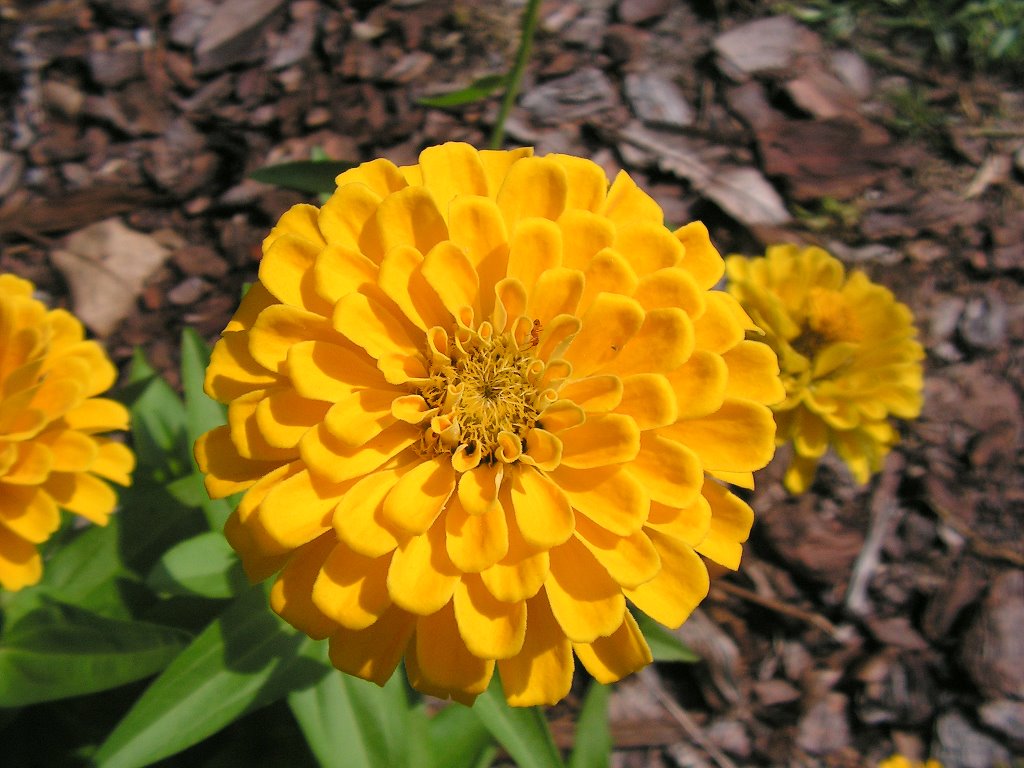 he past, I've had trouble with root rot or related fungus taking out my zinnias in July or August; this new cultivar, and the fact that I planted them earlier, in early May, must have made the difference. I've interplanted these zinnias with 'Purple Knight' Althernanthera— a nice effect.
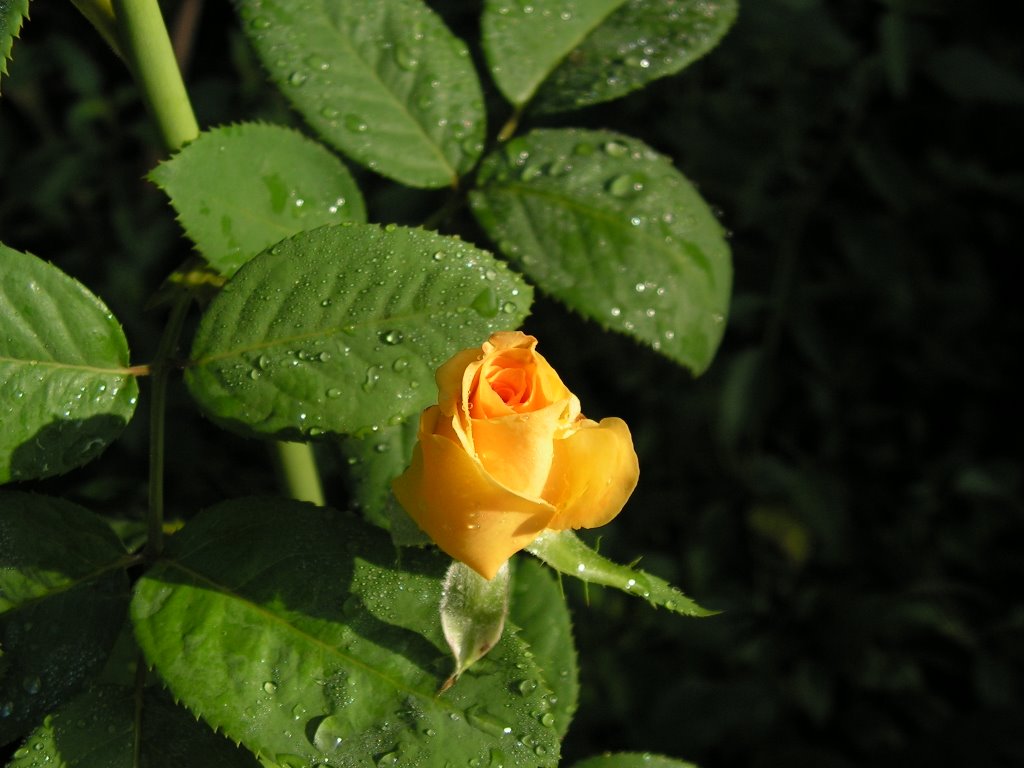 e lately, too. I bought both these bushes this winter, stunted and nearly leafless from Home Depot for $1.50 each. A lot of love and attention (and fungicides and fertilizers) have been lavished on them, and the return has been prodigious.
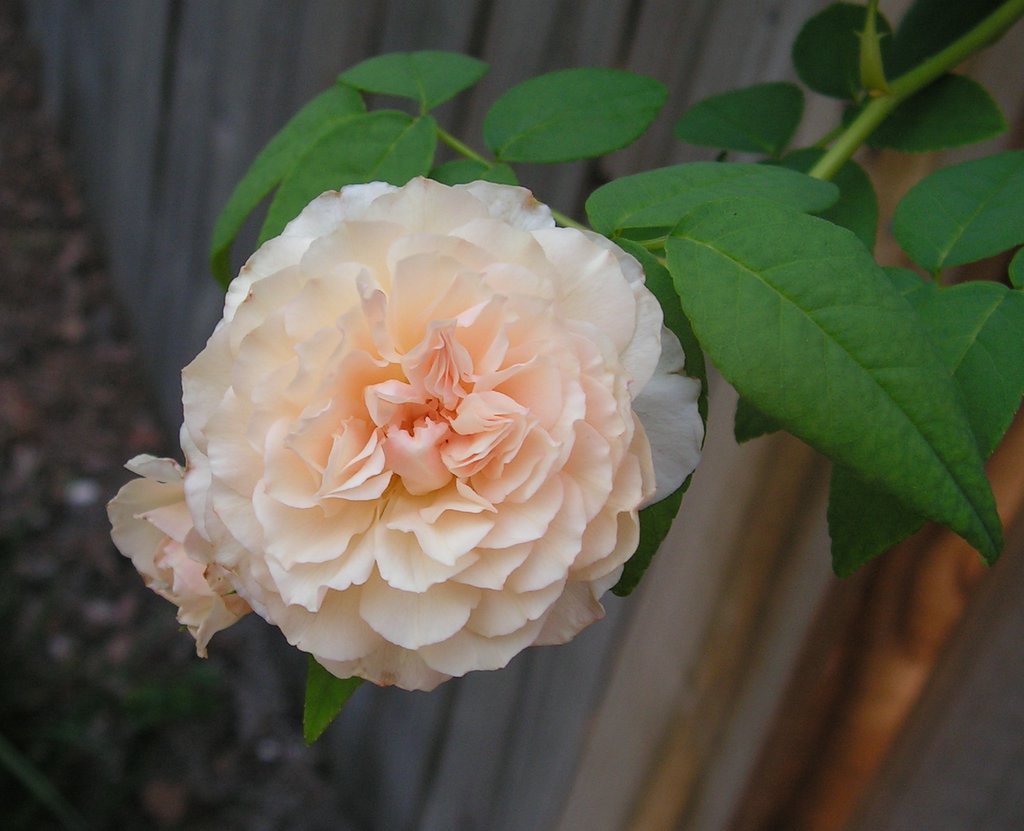 One of the recommended roses from the Central Florida Rose Society, this 'Cecil Brunner' took a long time to come to bloom, but even in the heat of late July, its blooms are winning. The descriptions of this rose (apparently a climbing sport of a cross between a Tea and a Polyantha) are so varied and contradictory as to make one suspect that there are many different roses sold under the same name.
Florida, with over 4,100 species of native or naturalized ferns and seed plants, is the third most floristically diverse state in the United States.The final word on a plant's indigenous status in Florida. I've used it several times to identify a roadside plant.
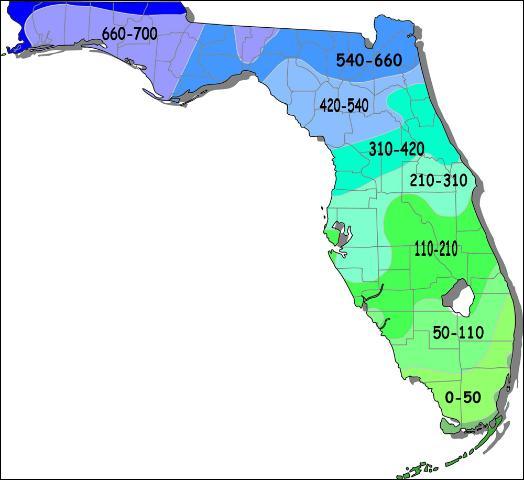 d a large fruit orchard, and growing fruit trees here in zone 9B is fairly difficult: Most deciduous fruit trees require 800+ chilling hours a year, but here, north of Orlando, we get around 400. And we cannot grow mangos and avocados because of our once or twice yearly frosts. Of course you can grow citrus (my property is at the center of Henry DeLand's original grove from the 1870s); and, if you're lucky, you can eke out a hand of bananas every once an a while. I like an orange now and again, but our one tree usually supplies more oranges than a small family like ours could care to eat.