
Oxalis triangularis, about four weeks from the time I set it out into the pot. The flower is slightly pinky. Very striking.
 I succumbed to temptation and bought a yellow miniature rose, Millenium Yellow, from Lowes. Given its growth habit, I wanted to put it somewhere where it could hang and be admired from a nearby. I drilled a couple of holes in a nice pot, strung some stiff aluminum wire through the holes, and mounted it on the fence at the gate to our backyard.
Being of the Portland group, Rose de Rescht is capable of several flushes of repeat bloom throughout the season. It does not repeat constantly like a Hybrid Tea though, but repeats in distinct cycles. It blooms, pauses briefly, then makes a new burst of growth, and flowers again. It is actually a very nice habit. You have to wait a bit between cycles, and I find that it is just long enough to make me long to see another bloom.Given its relatively petite size (3-4'), I put the Rose de Rescht towards the front of the garden.
In growth, this shrub is much like a Gallica in form, reaching a height of about 3.5 feet, always remaining a tidy, domed bush, well foliated and neat looking. It requires little pruning, except that apparently it performs best when old wood over 5 years old is periodically removed. It is quite disease resistant, and healthy. It does not tend to sucker like a Gallica though, which is best for most gardeners.
The bloom is not very large compared to some of the roses we know; about 2.5 to 3 inches across. It is a beautiful opening bud, that quickly grows to reflex into a pompon form. The scent is exceptional in quality; pure sweet Damask, but not always the strongest ( for me, anyway).
This is the rose that is often recommended to people who are contemplating buying their first Heritage Rose, as it is trouble free, well behaved, and very rewarding. Try it and you will not be disappointed.


 "Gold Medal" in the garden. I should have pinched those blooms whil the plant was convalescing, but couldn't bring myself. They're about 4.5" in diameter.
 The cooler, drier weather and the shortening diurnal cycle triggered many of my orchids to bloom.
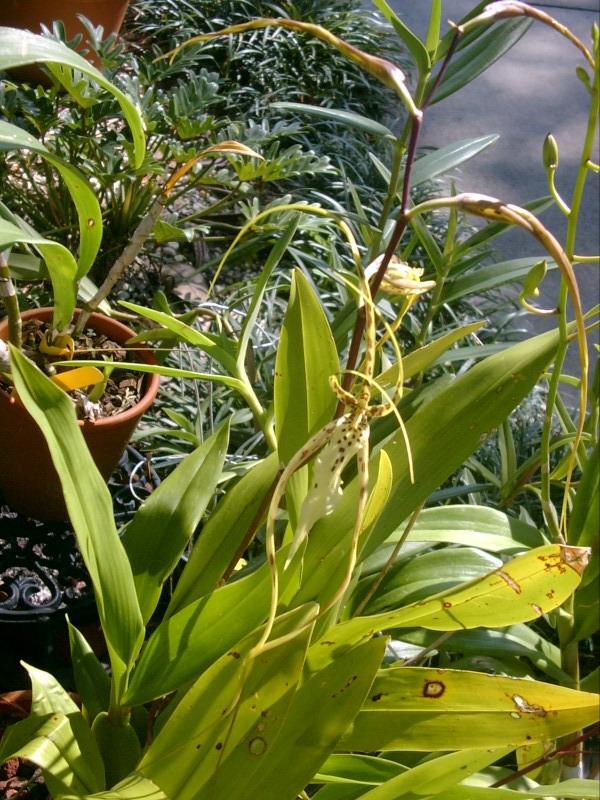
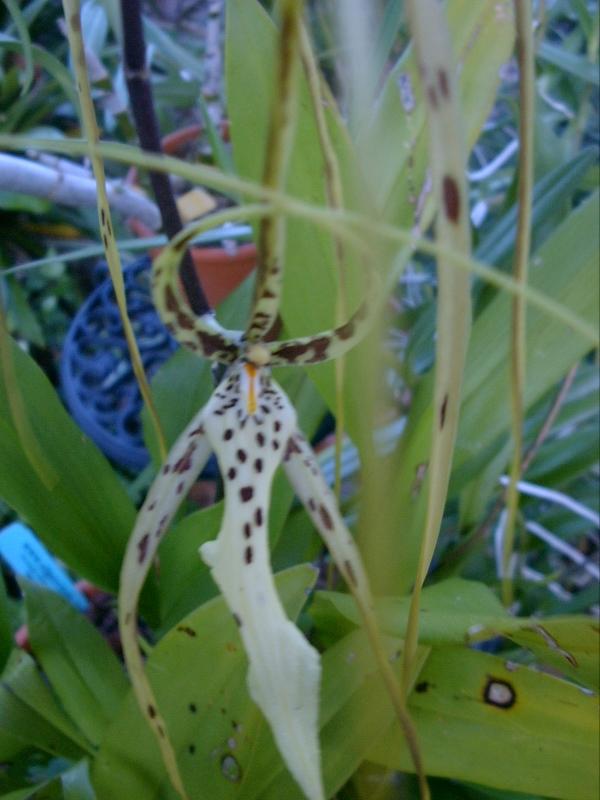 Like other Oncidium-tribe I grow, this one is truly a no-maintenance plant, save for its weekly weak fertilizing.
 With Central Florida's sandy, hot and nematode ridden soil, most roses are doomed to a few years' lifespan before losing vigor and eventually failing. You can buy a nice rose at the local Home Depot for $10, and that rose will return dozens of blossoms for a modest investment in that short span. Not a bad bloom for your buck.
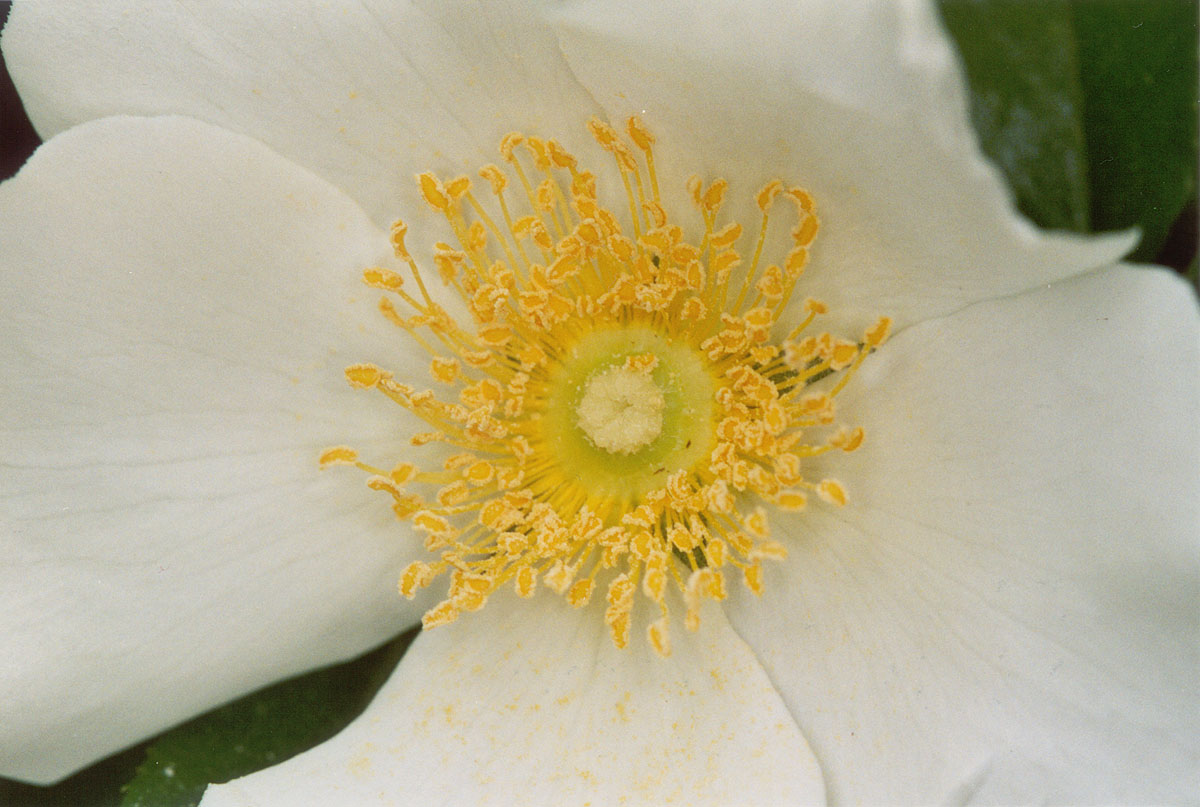 are covered with simple but charming white flowers with yellow stamens and anthers (right). It's a likeable rose in its own right -- zero maintenance, and amazingly vital. I started several cuttings of it last year by just sticking them in sand in the spring, and they've quickly mounted my gazebo's roof, where I imagine the temperatures reach well over 130 degrees in the heat of summer. The canes are already 15 feet long -- in one year.
The white climbing rose referred to is cultivated in gardens about Ningpo and Shanghai, and is held in high esteem by the Chinese; indeed it is one of the best white kinds which I have met with in China. It is frequently seen of a large size covering trellis-work formed into alcoves or built over garden walks. For this purpose it is well suited, as it is a luxuriant grower, and it blooms profusely and early. This Rose was amongst my first importations to the Horticultural Society and is no doubt well worth cultivation in English gardens. It may not please in every respect Rose-fanciers, but it is very beautiful nevertheless, and it has some advantages peculiar to itself. (quoting from the Rosarian Malcolm Manners, who is quoting from Willmott's monograph "The Genus Rosa.")The lineage of 'Fortuniana' is not uncontested. Quoting from Climbing Roses of the World by Charles Quest-Ritson:
'Fortuneana' syn. 'Fortuniana' [=Rosa x fortuniana]. Crepin considered 'Fortuneana' a hybrid between R. Laevigata and R. banksiae, but this parentage is questionable because no one has ever succeeded in crossing R. laevigata with R. banksiae. Its flowers are larger than other Banksian roses, about 6 cm across, although 'Fortuneana' flowers at the same time as they do, very early in the season. It was named in honor of Robert Fortune (1812-1880) by John Lindley in 1850. 'Fortuneana' is an important rootstock in Western Australia where heat, drought, and poor soil are a challenge to cultivation.Fortune's rose never caught on in England, as he had hoped. It turns out the rose has poor cold tolerance, and never grew well in a damp, cool continental climate. It was, however, popular around the Mediterranean basin at the end of the nineteenth century.
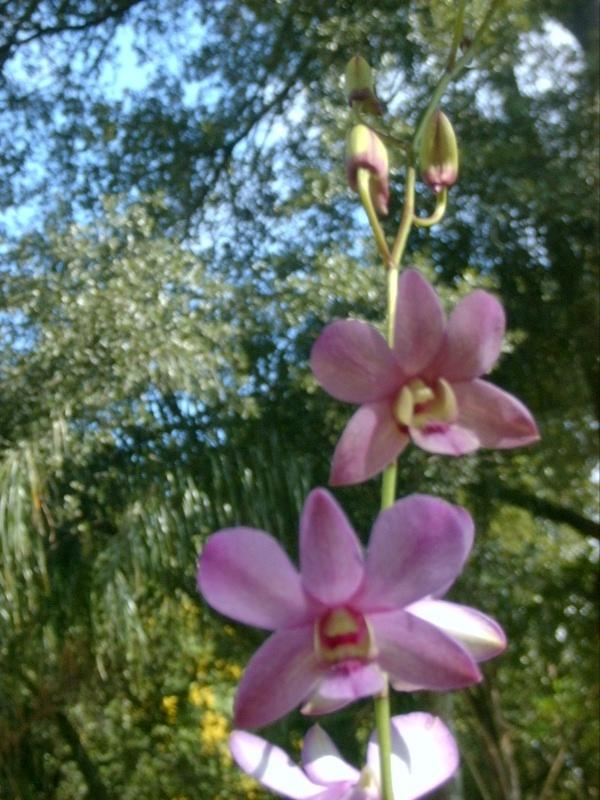 If you've read my previous postings on rose culture, you'll see that I'm a wonk of all things Rosa. I grow a few dozen orchids, too, but I don't fetishize them to the same degree: I try to practice benign neglect with them, and, by and large here in Central Florida, that approach to orchids works.
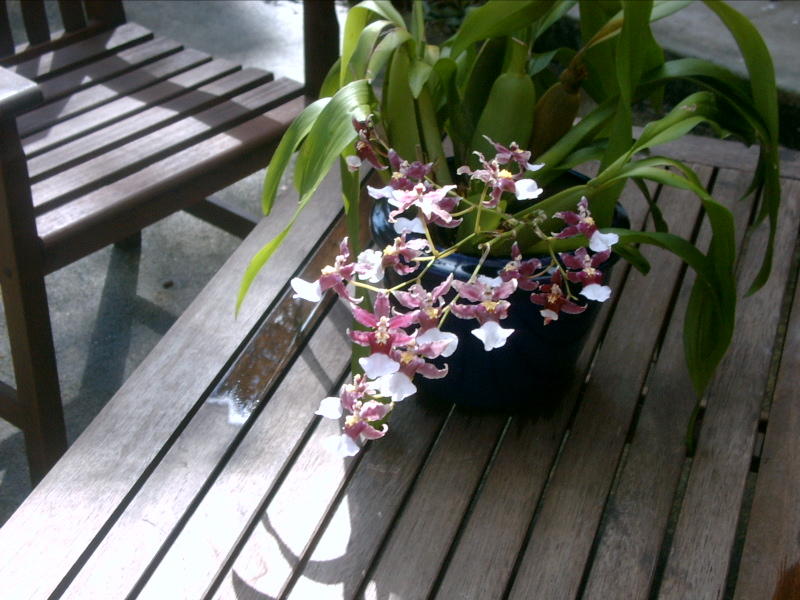 mix of charcoal and lava rock. The inorganic mix obviously doesn't break down, as organic mixes quickly do here. The inorganic media allow the orchids to dry out rapidly from our frequent rains, and they offer better support than the organic media during heavy downpours.
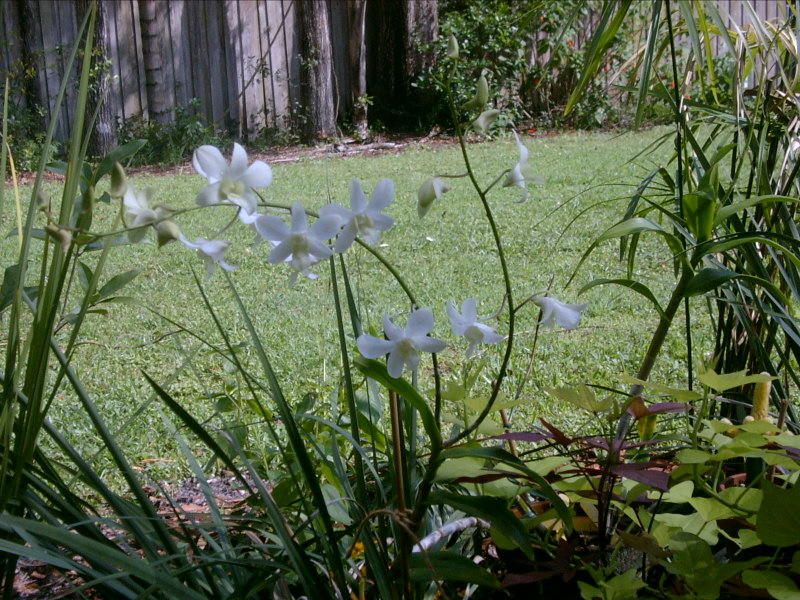 , but they bear up under the heat and humidity and their blooms last for weeks and sometimes months. I have one Paphio-

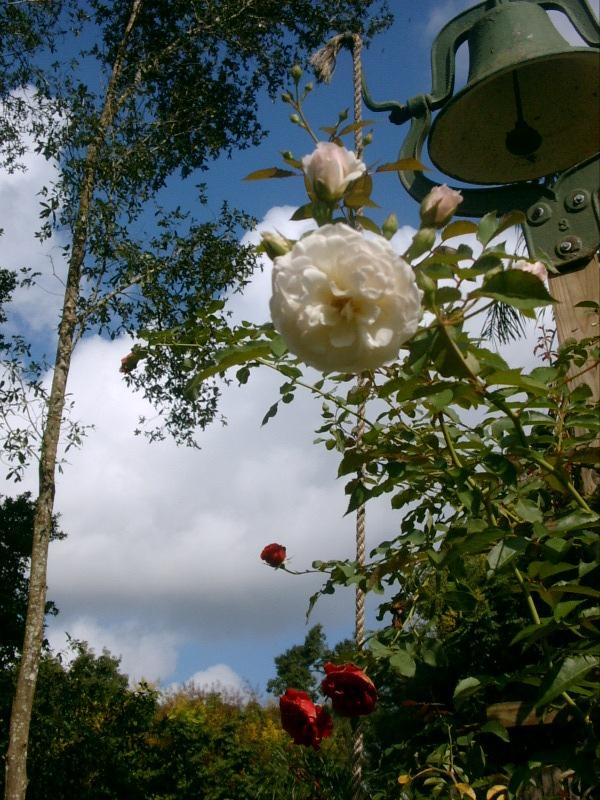 left: Prosperity and Don Juan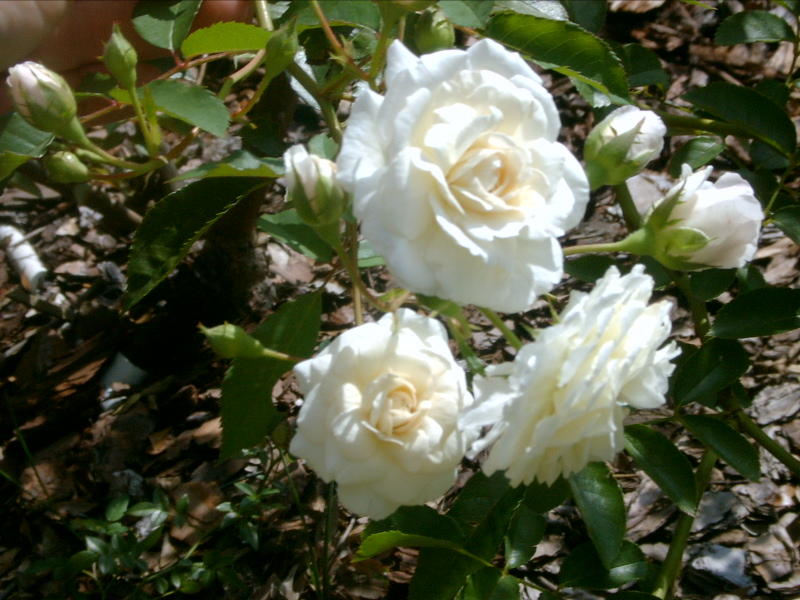
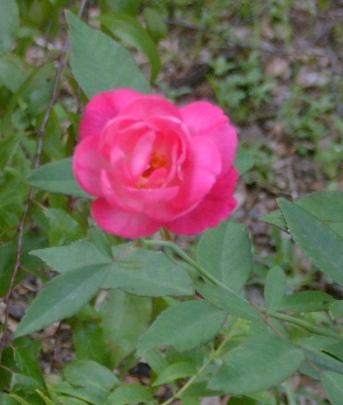
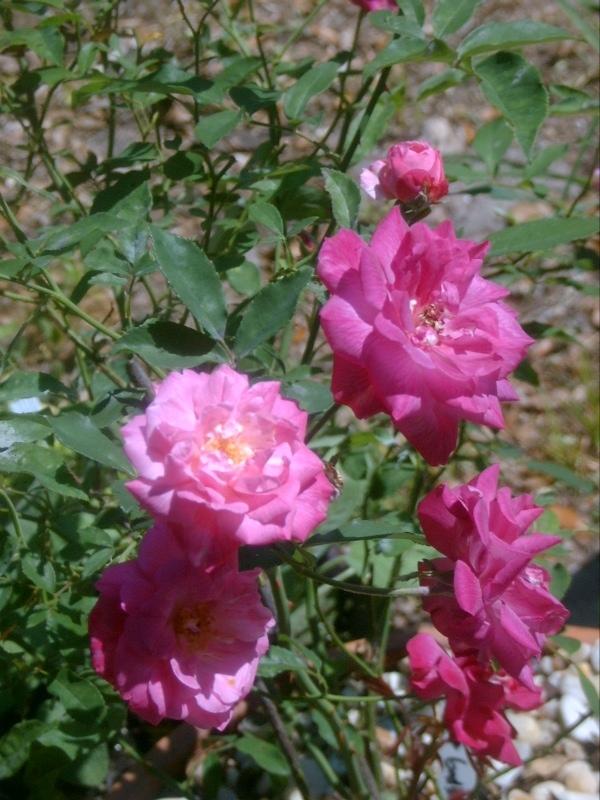 The rose to the left is "Vincent Godsif," а Bermuda "mystery rose" with a, well, sort of shocking, lipstick pink bloom. It's a bit twiggy, and prickly, but it flowers in even the hottest, wettest weather and never needs spraying.
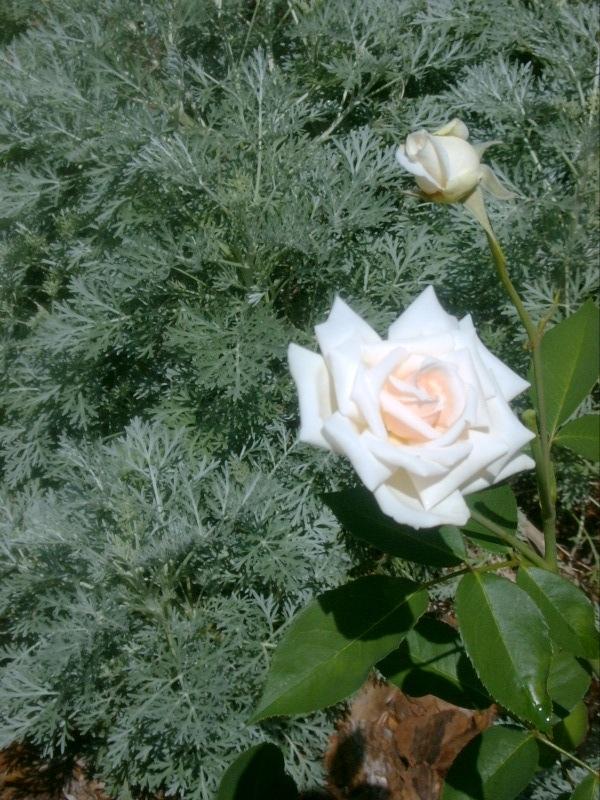 the very well-known French rose developer Joseph Pernet-Ducher. It's one of the very few white Chinas commercially available. Like I suppose all Chinas, this one has a somewhat sparse, very upright growth habit. The white, angular blooms have soft pink center initially, which fades pretty quickly. It would make a lovely cut flower, but is very prone to shattering. True to its lineage, it blooms in the heat and rain of August and the foliage remains virtually disease free.
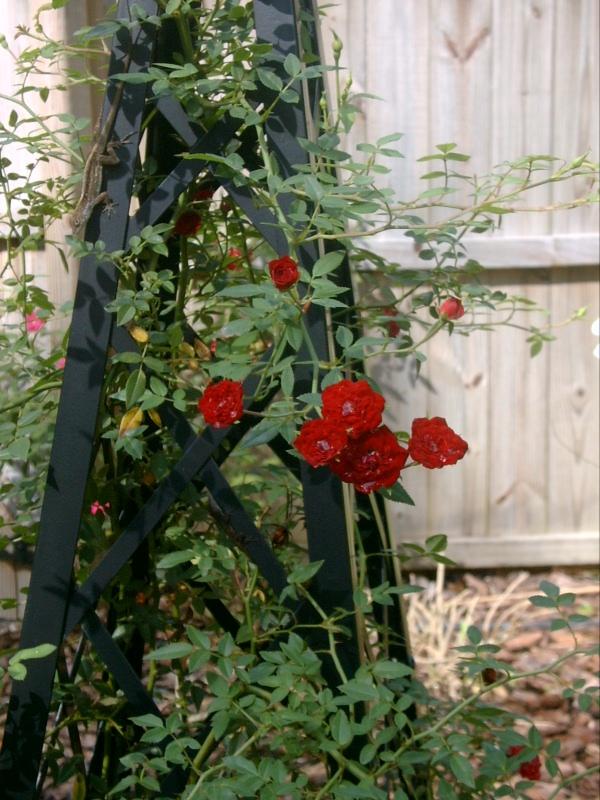 t a dozen own-root roses in my garden ("Blush Noisette," "Puerto Rico," and several others) as well as a dozen or so roses grafted onto "Fortuniana" rootstock.
 heavy rains from October 4-7 (a tropical wave). The hot and humid weather that has followed is an unwelcome surprise to everyone here.